
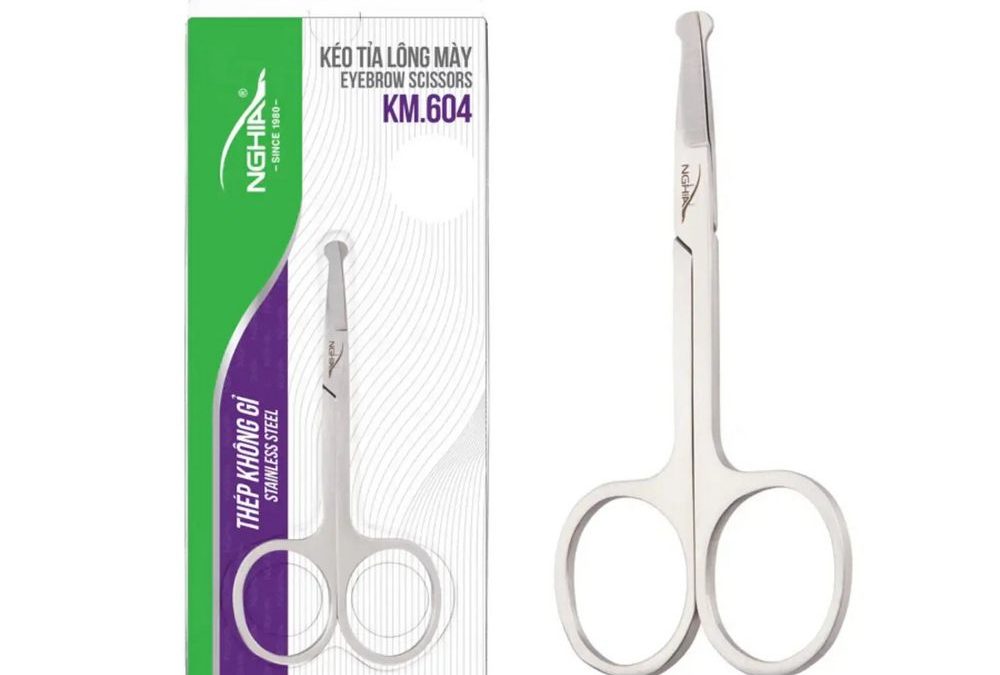
If you are new to personal grooming tools, start with reassurance: a pair of rounded-tip nose scissors is a modest, low‑stress investment in tidy results when used correctly, and you can learn a calm, accurate technique in a few simple steps.
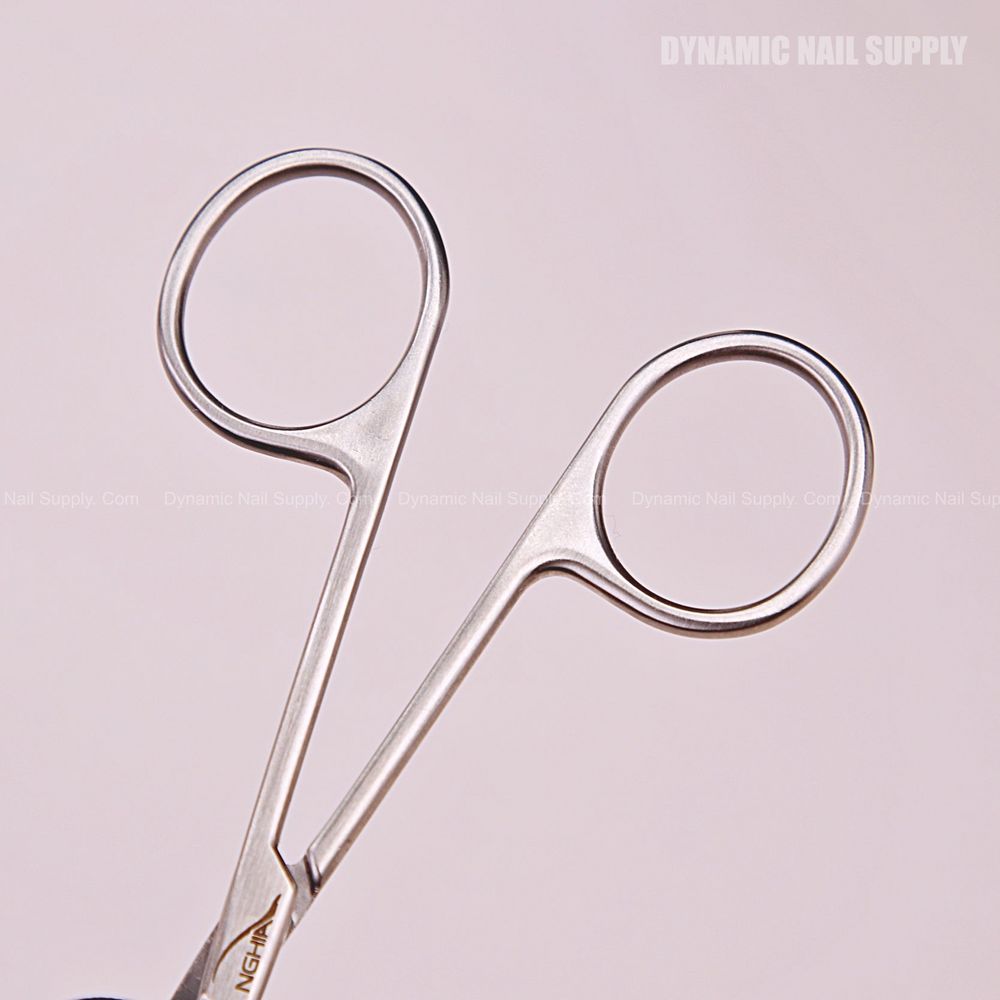
Matte brushed finish with polished edges
Assess Your Need
Decide whether scissors are the right tool for you by asking two quick questions: do you want control and precision for trimming visible nasal hair, and are you comfortable using a hand tool near delicate skin? If you prioritize precise, localized cuts and dislike the tug of electric trimmers, a small stainless steel scissor with rounded tips suits that requirement because it gives you visual feedback and fine motor control.
Choose This Tool
If you decide scissors fit your needs, check for the core features that matter to safe use: rounded or ball tips to prevent punctures, curved blades that follow nasal contours, and a hand‑sharpened edge so cuts are clean rather than pulling. The KM.604 model meets those boxes and its compact 3.5–4 inch size gives the fingertip control you need. For price-conscious buyers, note the listed price of $5.99; prices may change.
Prepare To Trim
If you proceed, set up under good light and use a mirror at eye level so you can see inside the nostril without tilting your head aggressively. Clean the scissors before first use and between uses with alcohol or an appropriate disinfectant. Hold the scissors with a steady grip, fingertip contact in the finger holes, and open only enough to clear the visible hairs; avoid inserting tips deeply toward the nasal membrane.
Technique Decisions
If you prefer visual trimming, use short snips aimed at hairs that protrude past the nostril opening, following the curve of the nostril with the curved blades so the tool aligns naturally with the skin and delivers even cuts. If you favor minimal exposure, limit trimming to the outermost hairs and perform fewer, smaller snips; the rounded tips protect against accidental pokes when you are working close to the skin.
For trimming only visible protruding strands you can rely on nose hair scissors for precise, controlled cuts.
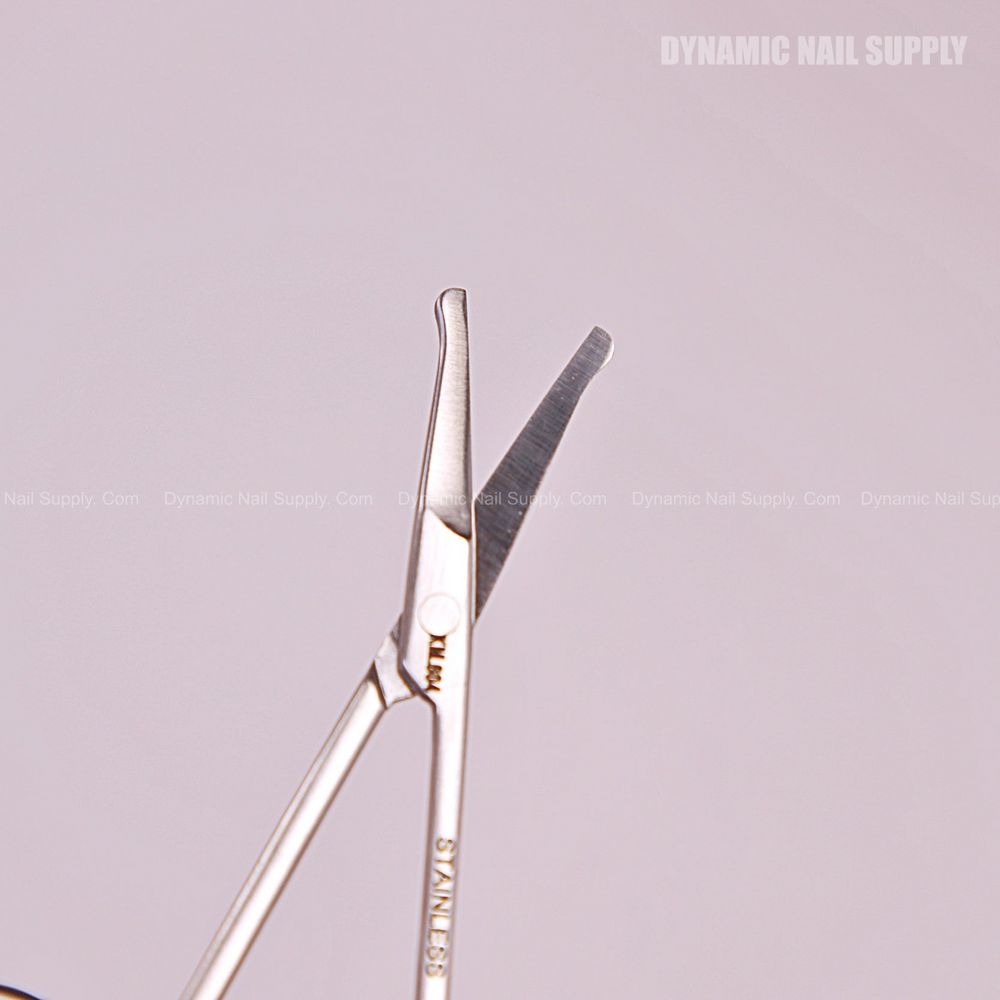
Round-tipped blades for safe trimming
When Not To Use
Do not use these scissors for deep removal inside the nasal cavity or to alter internal hair that serves a protective function; this tool is intended for trimming visible, protruding hair only. If you notice irritation, bleeding, or a cut, stop use and allow the area to heal before trimming again. Also avoid sharing the tool between people without thorough sanitization to reduce transfer risk.
Care And Maintenance
If you want consistent performance, keep the stainless steel clean and dry: wipe blades with alcohol after each session and store in a dry place to minimize corrosion. Periodically check the pivot screw for smooth action and adjust tension if opening or closing becomes stiff. A hand‑finished razor edge cuts cleanly; replace the tool if the blades dull to the point of tugging.
Workflow For Pros
If you use this tool in a salon lineup, integrate it into a brief hygiene ritual: sanitize before client use, demonstrate the minimal trimming you will perform, and communicate that the action focuses on comfort and visible appearance. Its brushed stainless finish and compact profile make it simple to handle within a pedicure or grooming service without disrupting your station flow.
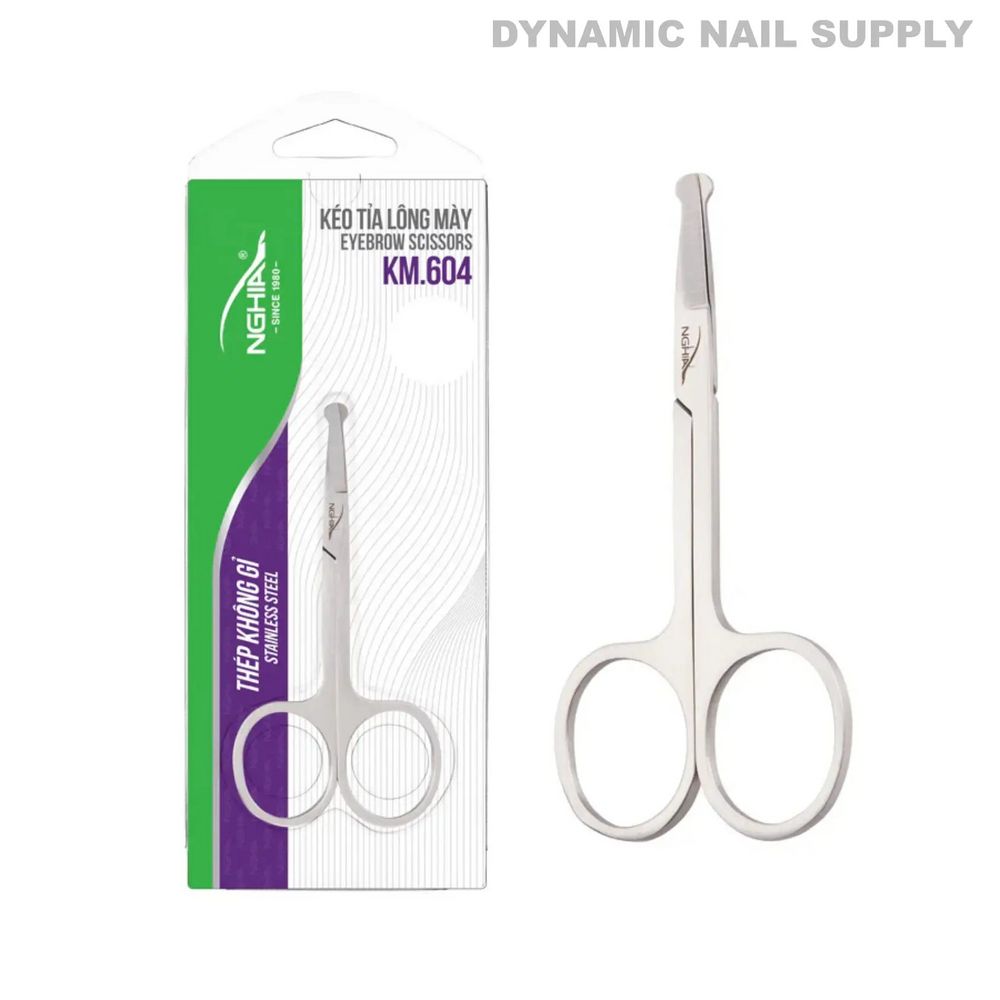
Packaged product shown in lower corner
Mini Glossary
- Rounded/ball tip: blunt, protective end to reduce puncture risk.
- Curved blade: blade shape that follows the nasal contour for safer cutting.
- Hand‑sharpened edge: finish that provides clean cuts and less pulling.
Final Verdict: If your goal is controlled, visible‑area trimming with a low‑profile, easy‑to‑clean tool, choose rounded‑tip stainless scissors and use them with short, conservative snips; the design minimizes common risks when you respect depth and hygiene limits.